

Dom Gąski is a historic townhouse on Radom’s Market Square, dating to the first half of the 17th century. Its architectural details and connection to the city’s history make it a natural stop among Radom city centre sights; today, it houses part of the Museum of Radom History.
- Location: Rynek 4, on the north side of the historic Market Square.
- What’s inside: the Museum of Radom History’s permanent exhibition.
- Nearby: Dom Esterki and other historic landmarks around the square.
Where is Dom Gąski in Radom?
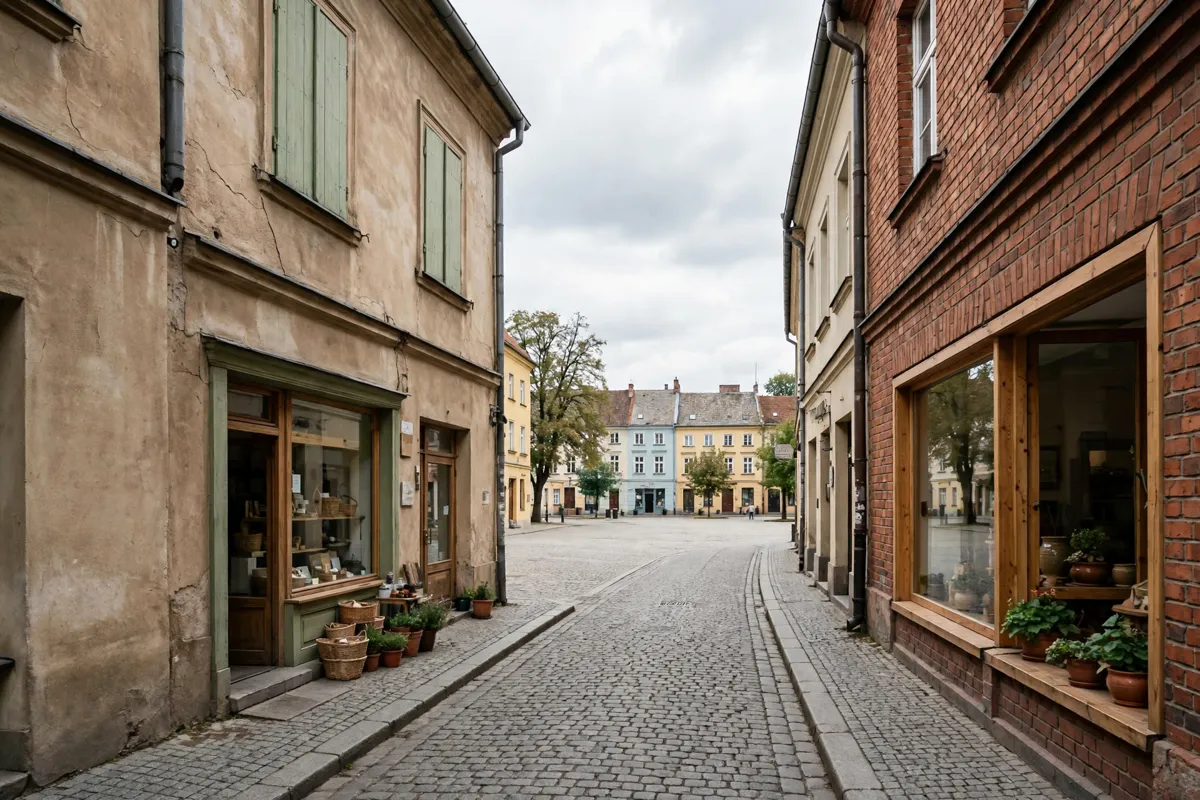
Dom Gąski is at Rynek 4, on the north side of Radom’s historic Market Square, near the junction with Szpitalna Street. The square makes an easy starting point for seeing several central landmarks in one outing. The building is next to Dom Esterki, at Rynek 5, and the two historic houses now contain the Museum of Radom History.
If you’re planning a walk around the square, you can pair the visit with Dom Esterki in Radom.
Why is Dom Gąski notable?
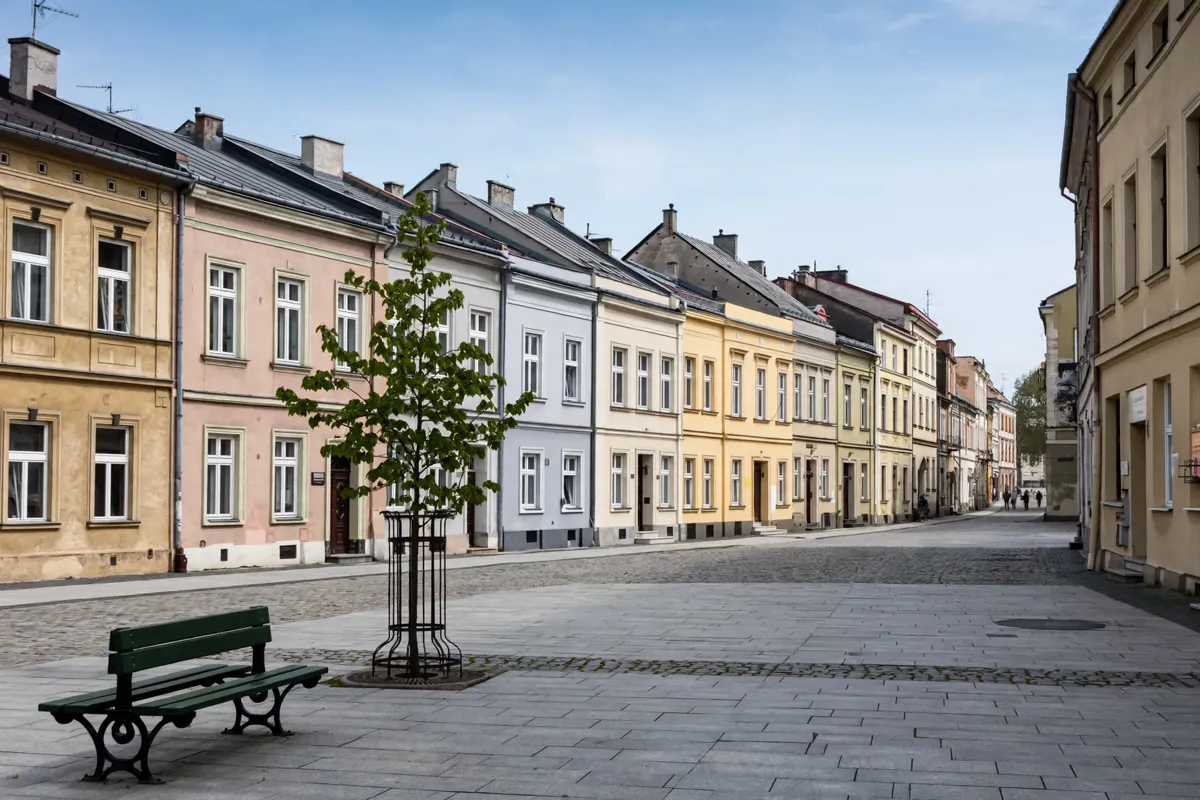
Dom Gąski is described as Radom’s oldest surviving burgher house. The building dates from the first half of the 17th century, though its cellars are older: architectural research begun there in 1972 confirmed the age of the house itself.
It is an early-Baroque, two-storey building with three bays. Its façade has a Baroque gable, pilasters, curved volutes at the sides and a triangular pediment. The historic character of the façade was restored in 1953, including the portal and ground-floor windows.
The house’s layout tells another part of its story. A passage hall runs from the Market Square entrance through to the rear courtyard, with stairs beside it leading to the upper rooms. An 1811 description recorded three rooms, two chambers, two shops and a kitchen.
Adam Gąska, a baker and member of Radom’s municipal council, owned the house in 1656. Sweden’s King Charles X Gustav was quartered there during the Swedish Deluge that year. Later uses included an apothecary, magistrate offices and a beer wholesaler.
Can you visit Dom Gąski?
Yes. Dom Gąski is part of the Museum of Radom History, whose permanent exhibition occupies three floors of the historic townhouses and presents Radom’s history from the 9th century to 1945. A major renovation in 1975–1976 connected the interior with adjoining Dom Esterki to create more exhibition space.
Admission to the Museum of Radom History is free on Saturdays. Check current opening hours and ticket prices before visiting.
What nearby sights can you see from the Market Square on foot?
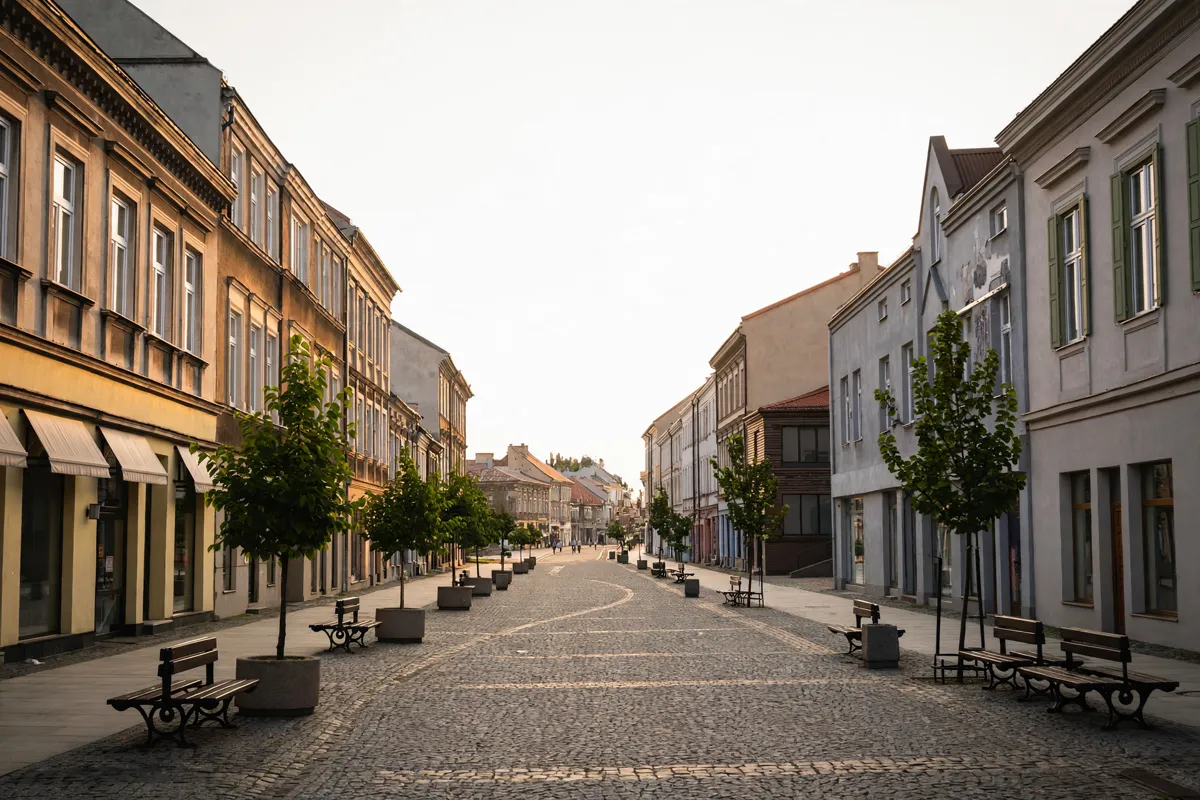
The Market Square is a convenient place to start, with historic buildings and landmarks close together. The neo-Renaissance town hall, built in 1848 to a design by Henryk Marconi, is another sight on the square. A city fanfare plays from its clock tower daily at 12:00; add Nowy Ratusz in Radom to your route.
The former Piarist College is on the opposite side of the square from Dom Gąski and Dom Esterki. Near the Market Square, the remains of the royal castle offer another link to Radom’s past; the castle was built in the mid-14th century by Casimir the Great.
Dom Gąski is about a 23-minute walk from Hotel E7, or about 8 minutes by car, so you can include the townhouse in a visit to Radom’s historic centre.
FAQs
What is Dom Gąski used for today?
It forms part of the Museum of Radom History, together with adjoining Dom Esterki. The townhouses contain the museum’s permanent exhibition.
How old is Dom Gąski?
The house dates from the first half of the 17th century. Its cellars date to the Middle Ages.
Is the Museum of Radom History free to visit?
Admission is free on Saturdays. Check the museum’s official site for current visitor details before going.
What is close to Dom Gąski?
Dom Esterki stands next door, and the town hall and former Piarist College are also on the Market Square. The remains of Radom’s royal castle are another nearby historic sight.